
My dog is scooting on its backside and I think it has worms
Anal sac disease in dogs
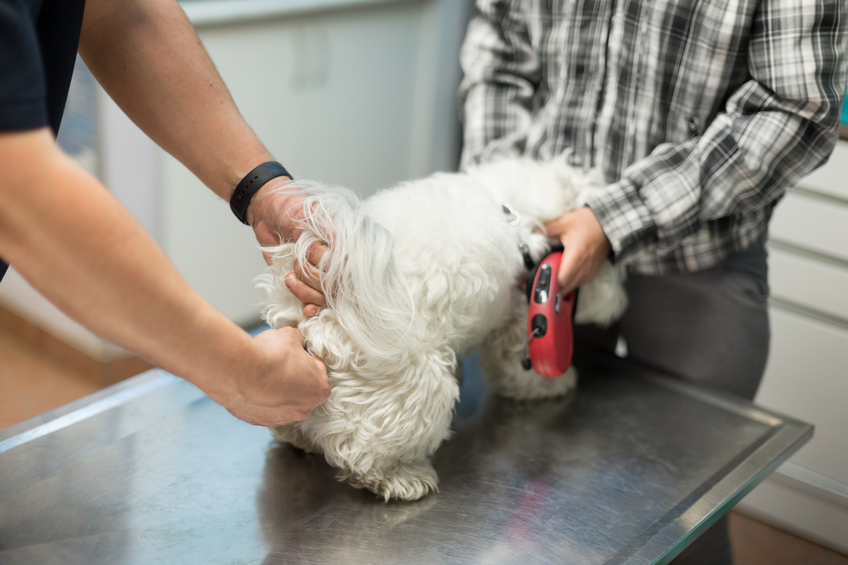
Many veterinarians are presented by concerned pet owners about the animal’s scooting or dragging their backsides along the ground by holding the back legs up in the air and pulling themselves forward by the front legs whilst remaining in a seated position. The owner often thinks that the animal may have worms and is trying to get the worms out their backside by dragging it along the ground. Although this is quite possible to be the case, especially in the case of tapeworm infestation, it is unlikely to be the cause. The most common cause for this behaviour is uncomfortable anal glands.
Is your pet safe?
Fatal Diseases that can easily be prevented
Fatal Diseases that can easily be prevented
There are some fairly common fatal diseases in animals which can and should be prevented wherever possible. This article looks at how these diseases present, what they lead to and most importantly how they could be prevented. Today we have more information about our animals and the diseases they may suffer from than ever before. With this knowledge comes the means of preventing these conditions that years ago would have meant certain death to our beloved pets. The most important means of disease prevention readily available to us is vaccination. A simple annual health check and vaccinations can help ensure your pet lives a long and healthy life. Other important means of prevention includes regular deworming as well as tick and flea treatment.
What causes back pain in dogs?
Disc disease in dogs
Introduction
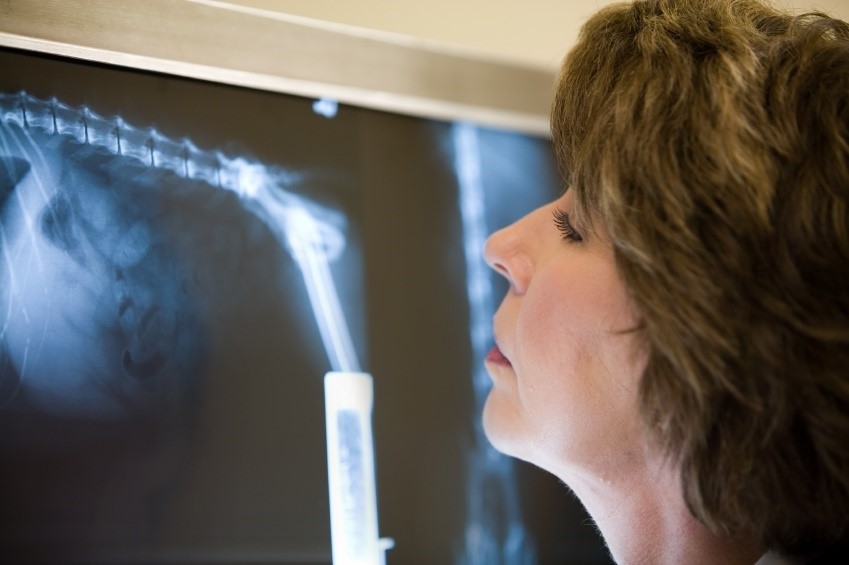
Intervertebral disc disease is a term that describes the condition in which the softer cartilage like material in between the bones of the spine, called an intervertebral disc, pushes onto the spinal cord, causing clinical signs that varies from slight back pain and discomfort to complete paralysis of limbs. Even with the slightest clinical signs, your pet should be examined by the vet to establish how serious the condition is and be treated accordingly. The earlier this is attended to, the better the overall outcome.
Old man's gland - Do dogs have the same problems as humans?

Prostate disease in the dog
The prostate is the only accessory sex gland in the male dog. It is a butterfly shaped structure that surrounds the urethra (the tube that connects the bladder to the outside). Due to the location of the prostate, it can affect the urinary system, the colon and the hind legs, as well as having some systemic effects. Prostatic fluid is produced continuously in the dog. Prostatic fluid makes up most of the volume of seminal fluid (the fluid that carries semen). The prostate has many nerves and blood vessels running to it but is surrounded by a thick capsule, which sometimes makes it difficult for some drugs to get deep down into the prostate. Normal prostatic function is dependent on circulating testosterone. The prostate can develop a few conditions that can result in debilitating disease in the dog.