
All you wanted to know about senior pet care

We answer your questions about caring for senior pets
Time flies when you’re having fun – especially with a beloved dog or cat. Pets make our long days not only bearable, but worthwhile, and sharing affection with a pet helps us return to the moment when we’re anxious or overwhelmed. The only problem with pets is that they too get old, slow down, require additional special care, and a different approach to their health and wellbeing.
YOU are your pet's best bet for successful treatment

What happens when the vet cannot cure your pet? In this article, we address the responsibility of the vet and the pet owner; what makes diagnosis and treatment possible and what makes it difficult; and what to do when the vet doesn't have all the answer
As a pet owner, the veterinary clinic or animal hospital is your first port of call when your pet is showing concerning symptoms, and you are seeking a diagnosis and an effective treatment plan. The veterinarian’s main objective is to ensure your pet receives quality care that restores and even improves their health and wellbeing. We love animals and we want to see them well again – as much as you do.
The canine and feline urinary system
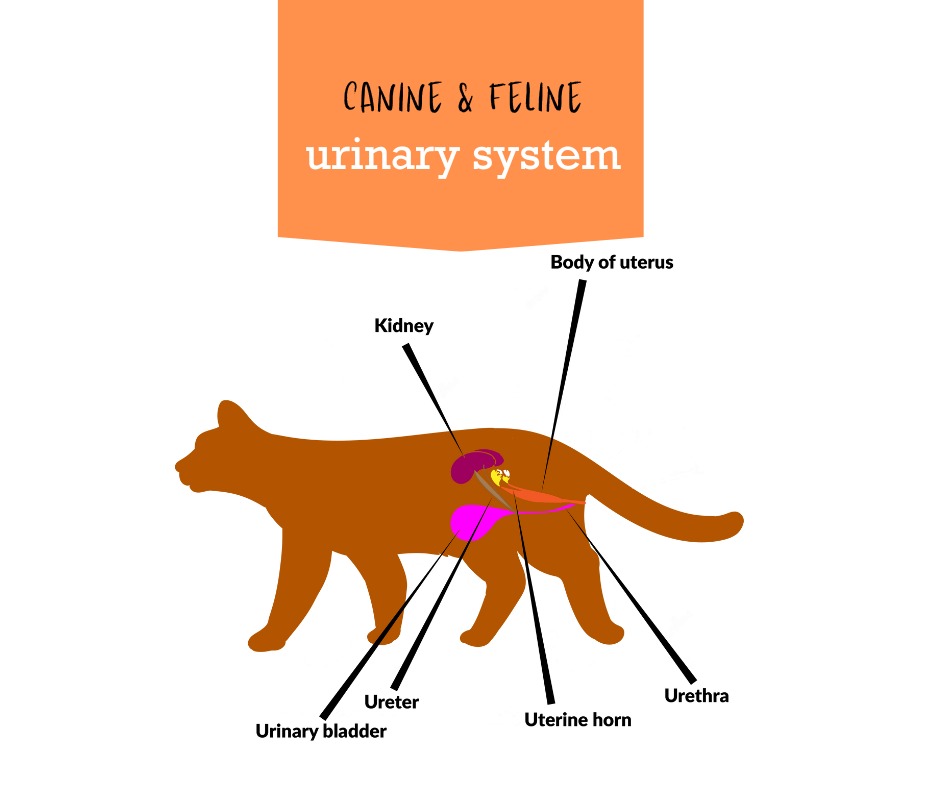
In this article, we list the organs and functions of the canine and feline urinary system, the disorders that can affect the urinary system, and how the vet diagnoses your pet's urinary health.
The primary function of the canine and feline urinary system is to excrete waste products from the body. Therefore, the health of the urinary system is critical for the health of all of the body’s other systems. Understanding and maintaining your pet’s urinary system is essential to their overall health. In this article, we’ll cover the organs and functions of the urinary system, as well as the common diseases of the urinary system (and their symptoms) and how the vet can diagnose them.