
Kidney Failure
.jpg)
Kidney Failure in Dogs and Cats
The kidneys are very important organs of the animal body and play an important role in the normal day to day functioning of the body. They act like a specialised type of filter by retaining the appropriate amount of different salts (electrolytes) to maintain fluid balance in the body. They secrete a hormone which is involved in the production of red blood cells. The kidneys are also responsible for getting rid of waste products through the urine, especially those that are produced by the breakdown of protein in food. Kidney failure starts as soon as the kidneys are damaged due to disease, damage or old age, however in animals most owners only start seeing the clinical symptoms of kidney failure once more than 70 to 75 % of the kidneys have been destroyed or damaged. This means that of two kidneys, as little as only half of one is functioning normally before the signs of kidney failure become evident. At this stage the kidneys can no longer adapt to maintain a normal fluid and electrolyte balance in the body, and are no longer able to expel toxins as efficiently as before. The challenge with treating kidney disease is that the kidneys do not have the capacity to regenerate like other organs like the liver. This means that it is very important to look out for the symptoms of kidney failure so treatment can commence as soon as possible to preserve as much of the kidneys as possible.
Ear Infections in Your Pet

Ear infection
Ear infections are common in dogs, and to a lesser degree in cats. The anatomy of the animal predisposes them to this condition. The ear canal of the dog and cat follows the shape of an “L”, going first downwards and then horisontally. This shape makes it difficult for debris and water that go into the ear to come out, against the force of gravity.
The Hype about Hyperadrenocortism

Cushings Syndrome in animals
Hyperadrenocorticism, or Cushing’s Disease, is a condition whereby the level of cortisol in the body is too high. It is a condition which is also found in humans and the name Cushing’s Disease or also commonly known as Cushing’s Syndrome comes from Harvey Cushing, who in 1912, was one of the first physicians to report a patient affected with excessive cortisol hormone also otherwise known as glucocorticoid.
Diabetes Defined
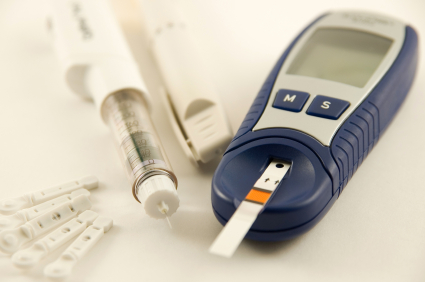
Diabetes in dogs and cats
The pancreas is an organ in the body which is closely associated with the segment of intestine that leaves the stomach. The pancreas releases enzymes involved in digestion as well as hormones with specific functions. One of these hormones is insulin. Insulin is released from the pancreas in response to the intake of food, especially carbohydrates and to a lesser degree fats and protein. Insulin circulates in the bloodstream and facilitates the uptake of the ingested nutrients into the body’s own stores of energy.
Cancer in pets - Part 2 of 2

Cancer
The treatment of cancer in pets has become a significant part of the therapy provided by veterinarians to keep our pet population healthy and thriving. Depending on the modality used, the type and extent of cancer treated, and the size and the nature of the animal involved, cancer treatment can be very expensive. Therefore, as with any disease, the principle of prevention is better than cure holds true. Not all cancers can be prevented but there are certain types of cancers which can be prevented and others that, if treated early on, require much less invasive treatment and therapy, than cancers which are left to develop.
Cancer in pets - Part 1 of 2
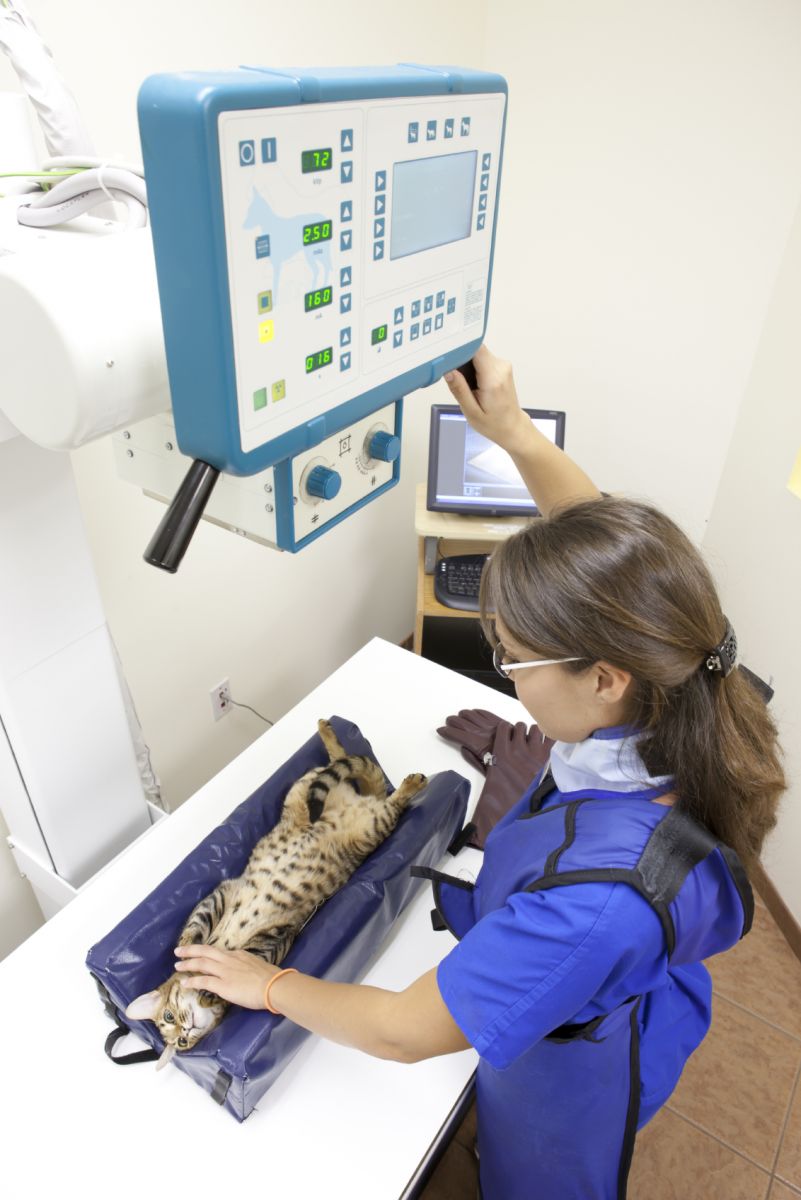
Cancer
The battle against cancer in humans is as old as mankind itself. Since veterinary medicine became a fully-fledged discipline in the previous century, this battle has been extended to animals, and more so than any other area of veterinary medicine, to our pets. Many animal owners who are confronted with cancer in their pet for the first time, are somewhat surprised to find out that cancer is as prevalent in animals as it is in humans. Once they have overcome the initial shock, they find it even more surprising that cancer in animals is treated very much the same way in animals as in humans.