
Lameness in old dogs

Lameness
As a dog gets older, he or she may start to struggle to get up or get a little slower on walks. You may notice that they are worse in winter than in summer or after resting for a prolonged period. Sometimes they may not to be able to place any weight on a leg at all and this may happen quite suddenly. Lameness in older dogs can be broadly placed in three categories:
Lameness in young dogs

Lameness
Getting home to find your puppy or young dog not placing weight on a leg is always a concern. There are many different reasons why a young dog may limp, some more serious than others. Causes of lameness can be broadly placed into three different categories:
- Lameness due to trauma
- Developmental and congenital (inherited) lameness
- Infectious causes of lameness and cancer
Because the causes of lameness can be so wide and varied, it is important to have your puppy looked at by the veterinarian sooner rather than later when you notice any signs of limping or lameness.
What causes back pain in dogs?
Disc disease in dogs
Introduction
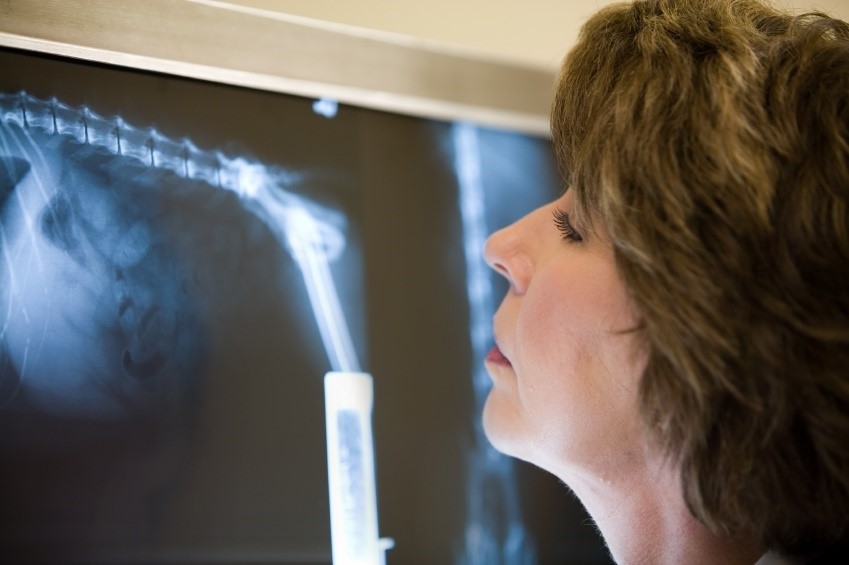
Intervertebral disc disease is a term that describes the condition in which the softer cartilage like material in between the bones of the spine, called an intervertebral disc, pushes onto the spinal cord, causing clinical signs that varies from slight back pain and discomfort to complete paralysis of limbs. Even with the slightest clinical signs, your pet should be examined by the vet to establish how serious the condition is and be treated accordingly. The earlier this is attended to, the better the overall outcome.