
Your new puppy

Important things to know about new puppy care
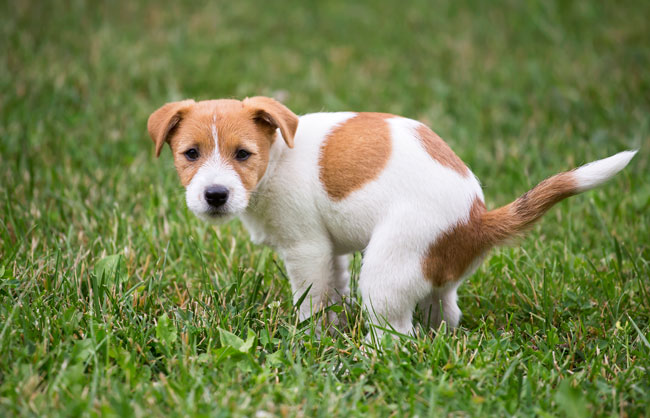
Adopting and bringing home a new puppy is a very exciting time. Everything is brand-new for your puppy and for you too. It may feel a bit overwhelming to start afresh with this new life in your home, but here are some very important parts of puppy care that you absolutely should not skip. The over-arching reason for ensuring you check all these care boxes is to keep your puppy as healthy as possible and to be a responsible pet parent.
Your new kitten

I just adopted a new kitten. What is the best veterinary advice on how to care for her from Day 1?
Important things to know about new kitten care
Adopting and bringing home a new kitten is a very exciting time. Everything is brand-new for your kitten and for you too. It may feel a bit overwhelming to start afresh with this new life in your home, but here are some very important parts of kitten care that you absolutely should not skip. The over-arching reason for ensuring you check all these care boxes is to keep your kitten as healthy as possible and to be a responsible pet parent.
Administering oral, topical, ear and eye medication to cats and dogs
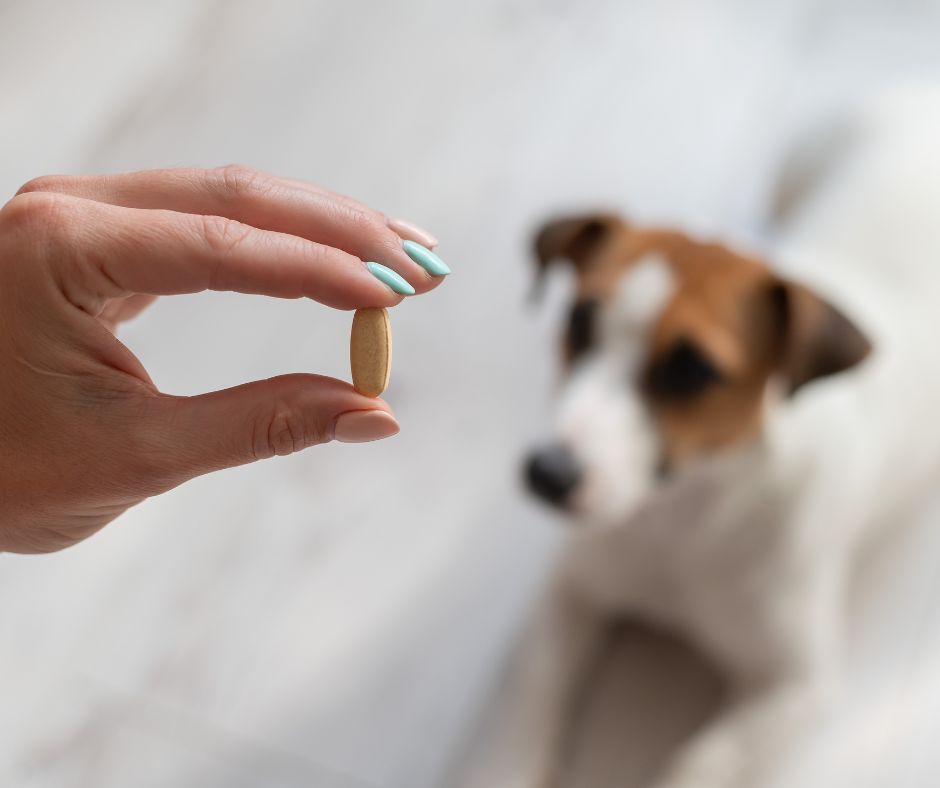
I need to give my pet medication at home to complete their treatment. How do I administer it?
At some point in every pet’s life, they will need at-home treatment for a chronic or an acute illness, recurring infection, parasite control, wound care, etc. This is why it’s important for every pet parent to know how to give pets medication at home to complete their treatment. These are basic methods that are generally applicable to dogs and cats under average circumstances – we understand that some pets may be easier to handle or more relaxed than others, but we hope these tips will help most pet parents to better administer their pets’ medicines.
Gastroenteritis in puppies

My new puppy has an upset stomach, what should I do?
Gastrointestinal problems are some of the leading causes of visits to the vet. Puppies in particular are extremely prone to tummy upsets, which can have various causes. Gastroenteritis is the technical term used to describe an upset tummy and symptoms include vomiting, diarrhoea, poor appetite and, in serious cases, lethargy and collapse. Let’s look at what causes gastroenteritis in puppies.
Requirements and process of emigrating with pets

I have been offered a great job overseas, but I have pets. What is the process for emigrating with my pets?
If ever there was an occasion to test the bond between pet owner and beloved pet, it’s emigration. Moving overseas is a huge, stressful event that may feel overwhelming and nearly impossible… and that’s before you’ve even factored in your furry family members. However, with enough time and planning, ensuring you follow the correct protocols and stick to the regulations, you can successfully move yourself and your pets overseas.
Seasonal allergies in pets

My dog is scratching and biting his skin more than usual, sneezing and has watery eyes - and it's only the beginning of the season!
All domestic animals can react to the changes of the season – just like some humans do. During late winter, early springtime, when the climate is dry and windy, there is a lot of dust and pollen in the air. Humans as well as our pets inhale these particles or pets brush up against skin irritants, which can lead to seasonal allergies.
Sensitivity to anaesthesia
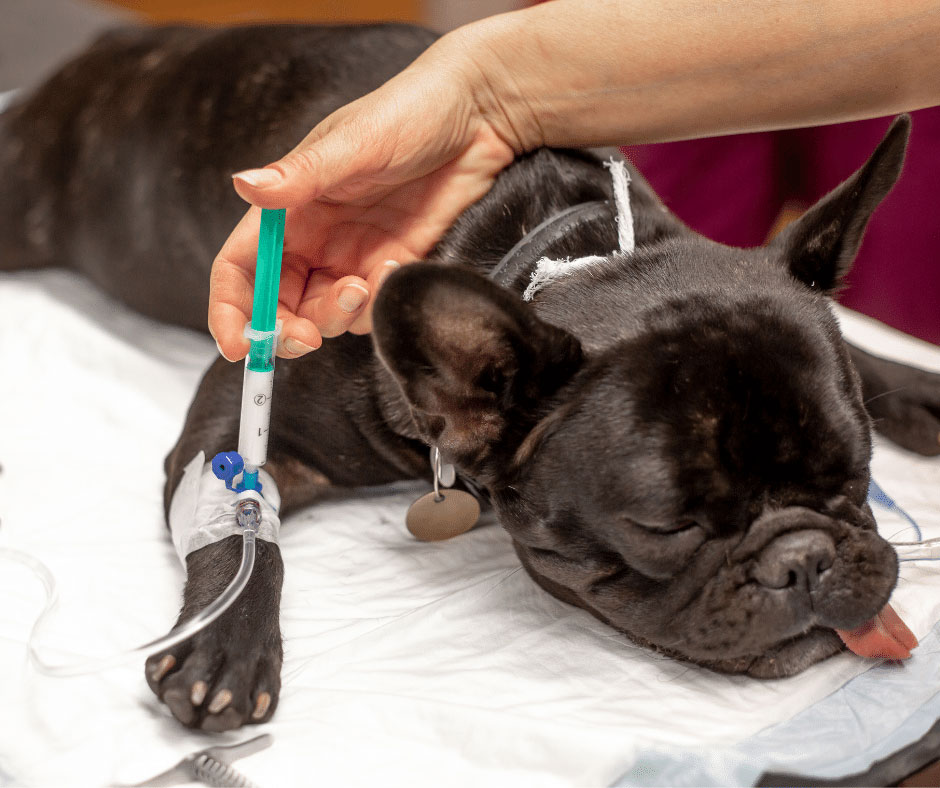
I've heard that certain dog breeds are sensitive to anaesthesia and I'm concerned my dog can't undergo a dental procedure because of this
At some time in their lives, most pets will need to undergo medical procedures that require them to be sedated and placed under anaesthesia. From teeth cleaning procedures, spaying and neutering, to surgical procedures for repairing fractures, removing obstructions from the digestive tract, repairing torn ligaments, etc.; these procedures cannot be done while the animal is conscious.
Gastric dilatation volvulus

My dogs abdomen is distended and he's acting very restless
It’s a scary situation when your dog looks like he has a bloated tummy, but he’s really experiencing a life-threatening medical emergency. Gastric dilatation volvulus or GDV is also called bloat, but it’s more than just a bit of air in the stomach. Its other name – gastric torsion – describes how, once inflated with air, the stomach can also twist around itself and cut off blood supply to other major organs. The body then goes into shock and the condition becomes life-threatening.
Heart diseases in dogs

My dog has a strange cough and fatigues easily
It is estimated that a little over 10% of all pets have some form of heart disease. There are many different reasons for the presence of heart disease – from genetics to poor diet, ageing, illness/infection and obesity – but what is common among all types of heart disease is that the condition does not simply go away on its own. It is usually progressive and, depending on how severe the symptoms are and when the dog is diagnosed with the disease, it can eventually lead to heart failure.
Heart diseases in cats

My cat seems to have breathing difficulty and is lethargic
The American Veterinary Medical Association suggests that one in 10 cats across the globe is either born with or develops some form of heart disease in their lifetime. There are a number of different types of heart disease in felines, but all of them present with some kind of abnormal structure or function of the heart’s chambers, valves or surrounding muscle.
Understand the life cycle of fleas
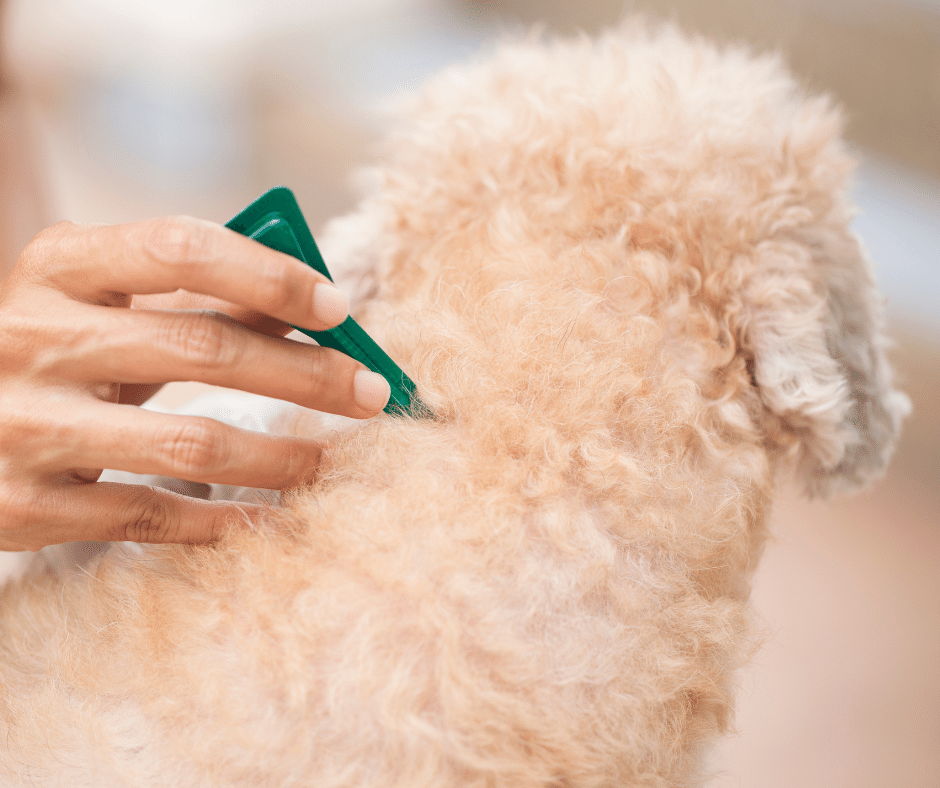
How can I get rid of my pet's fleas once and for all?
Tick and flea treatments for our pets promise quick and lasting results and are usually very effective when administered correctly. However, these treatments – including chews, spot-on liquids and collars – may not be able to get rid of flea infestations completely when pet owners don’t tackle each stage of the flea’s life cycle head-on. Understanding the life cycle of the flea is the key to eradicating this nasty pet pest.
Veterinary etiquette

What you should know about taking your pet to the vet
If you’ve noticed that your pet’s behaviour is off or they are showing worrying symptoms, don’t hesitate to call the vet and schedule an appointment. However, this is just the first step in your responsibility towards your pet and in dealing with a veterinary practice. Your pet’s condition may cause you to act emotionally or to forget important symptoms or information.
Eosinophilic granuloma complex in dogs and cats
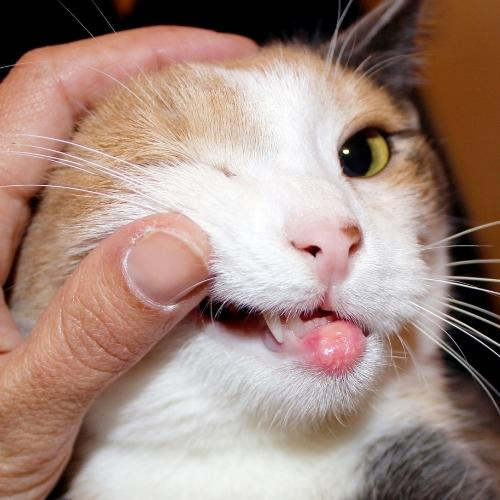
My cat has a strange sore - almost like a fever blister - on her upper lip
What is eosinophilic granuloma complex?
Eosinophilic granuloma complex (EGC) is a disease complex that presents in three main forms, namely an eosinophilic ulcer (also known as a rodent or indolent ulcer), an eosinophilic plaque or an eosinophilic granuloma. These conditions are more commonly found in cats and horses, and only occasionally in dogs.
Urolithiasis
My pet has begun to pee a lot more frequently, but in smaller amounts. Even though she's house-trained, she still pees in the house and sometimes there is blood in her urine.
What is urolithiasis?
Urolithiasis is the long-winded Latin term to describe the development of bladder and kidney stones. The term ‘uro’ describes the urinary system, while ‘lith’ means stone.
Common Rabies Questions

I've heard on the news that there's a new outbreak of rabies in dogs. What are the symptoms and what should I do?
Towards the end of June 2021, the Gauteng Department of Agriculture and Rural Development (GDARD) informed the public of an outbreak of Rabies in the Cradle of Humankind area. Near the end of August 2021, the Western Cape government issued a warning of a new rabies outbreak and encouraged pet owners to ensure their pets' rabies shots are up to date. In early August, three women were attacked by a honey badger and tested positive for rabies, while earlier in September, a young boy in the Eastern Cape died from rabies as the result of a dog bite. Traditionally, rabies was considered to be restricted to Kwa-Zulu Natal and KZN was declared an endemic area for rabies. Unfortunately, it is no longer the case and the whole of South Africa is now considered endemic.