
Can I treat my pet's wound at home?

Wound Care at Home
When managing wounds at home it is important to always contact your veterinarian for assistance. Many home and even human wound remedies are not suitable for use in pets. Determining factors in deciding whether a wound can be treated at home or needs veterinary care includes the severity and age of the wound, the cause and location of the wound, and most importantly if the pet is leaving the wound alone. In most instances the safest and most effective way to deal with it is to take the injured pet to the veterinarian for initial treatment and advice on continued care at home. In this article we will go over some of the major components of wound treatment and care as well as giving you guidelines on when to visit the vet.
Pregnant women have to watch out for this bug carried by cats

Toxoplasmosis
Introduction
Toxoplasma gondii is a tiny organism, slightly bigger than a bacterium, called a protozoa. This parasite has a worldwide distribution, except in the absence of cats. Cats are the only animals capable of completing the life cycle of this organism. Other warm blooded animals, including cats can serve as intermediate hosts for the parasite. The organism has a very high prevalence, but rarely causes clinical disease in dogs and cats. This is an important parasite to be aware of due to the fact that it is an important zoonosis, meaning it is an animal disease that can be transmitted to humans.
Do cats bite for no reason?

Aggression in cats
Cats are often seen as less aggressive animals than dogs but they have five sharp ends that can be used at a moments notice. Cats may also be seen as more instinctive than dogs, mimicking some of the behaviour seen in their wild counterparts. This is obviously on a much smaller level. Aggression can be directed towards people, cats, other species such as dogs, rabbits and birds or inanimate objects, which would include toys or furniture. The most common causes of aggression in cats can be described under the following categories:
Does your puppy have good manners?
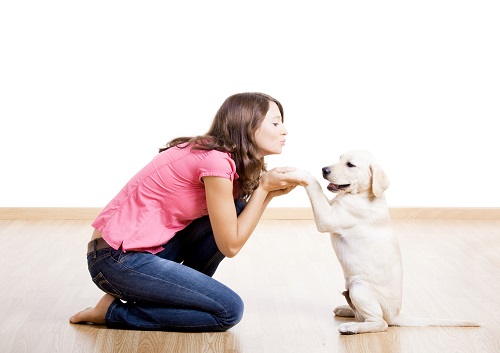
House training your new puppy
It is important to plan ahead for house training. Always ensure everyone in the house is involved and that everyone knows what the plan is. It is important to have consistency when training puppies so as not to confuse them. Routine is essential for achieving the desired goal of having a puppy with “good manners”. Puppies, as with human babies, benefit greatly from a fixed routine, they feel safer and it helps the learning process.
Do dogs bite for no reason?

Aggression in dogs
Aggression is one of the most common behavioural problems in dogs. Aggression is often easy to diagnose but difficult to manage, because it is often multifactorial. There are several different categories of aggression. Let's look at the different types of aggression in dogs.
Aggression in dogs
Aggression can be classified into several different categories. Fighting amongst dogs in the same household is probably the most common aggression problem, followed by aggression to unfamiliar people. It is not always possible to prevent aggression but it can usually be controlled with effective management. In some cases, re-homing an aggressive animal may be a suitable solution and in a few cases, euthanasia may be the only option.
A new puppy - happiest days or worst nightmare?

New puppy
Having a new puppy join your family can be one of the most exhilarating experiences for a family but if not done the right way it can have disastrous consequences. People often let emotions get the better of them and don’t make informed decisions. A new puppy will become part of the family for the rest of its life and you will be responsible for its wellbeing. Before getting a new puppy, there are a number of things one has to consider.
When is it more than just a tummy ache?

Pancreatitis
The pancreas is a small gland that is situated next to the stomach and first part of the small intestine in the front of the abdomen. As in humans, it performs two main functions in dogs and cats.
- It is responsible for producing some of the special chemicals called enzymes which aid in the digestion of food. Enzymes are usually inactive within the pancreas. They are activated when they are released into the small intestine through ducts. Enzymes break down the food into smaller particles which can then be absorbed through the intestinal wall into the blood stream.
- The other main function of the pancreas is to help regulate blood sugar. The pancreas produces special messengers called hormones. Insulin is one such hormone. These hormones tell the body when to release or store glucose into the cells.
Sometimes the digestive enzymes are released within the pancreas, instead of within the small intestine. When this happens, it causes severe inflammation and death of some of the pancreatic cells. This can affect surrounding abdominal organs, such as the liver. When inflammation occurs it is usually very painful and is described as pancreatitis. Pancreatitis can be acute, where the inflammation is not associated with permanent damage or it can be chronic. A chronic pancreatitis results in the pancreas becoming smaller and harder than normal and this affects the function of this important organ. Pancreatitis can become very severe very quickly and cause your pet to suffer with intense pain so it is important for your pet to receive veterinary attention as soon as you suspect there may be something wrong.